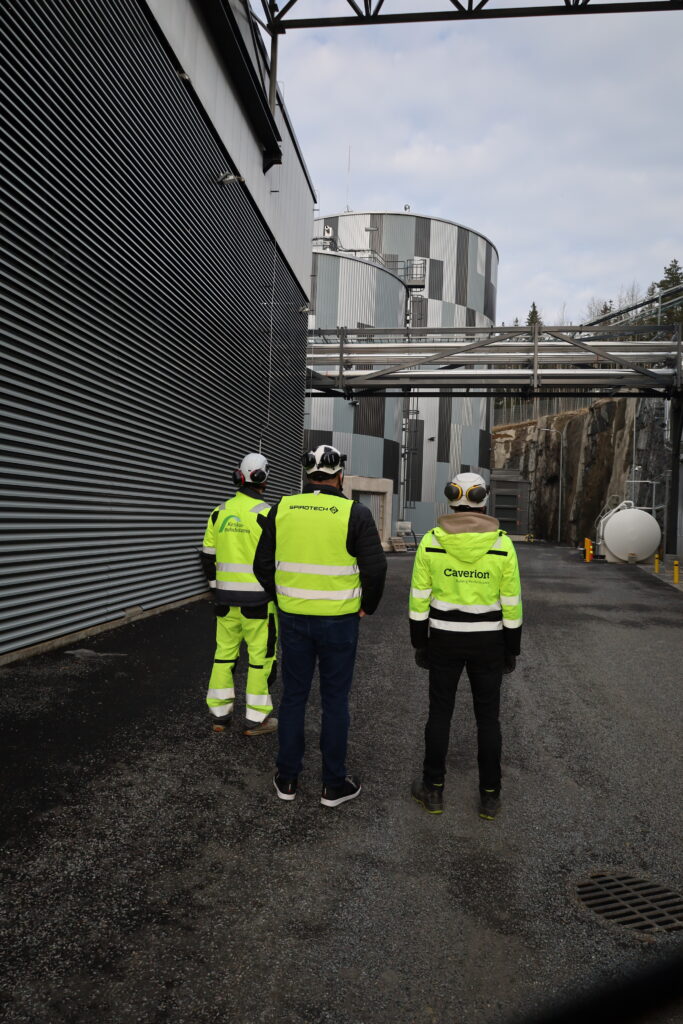
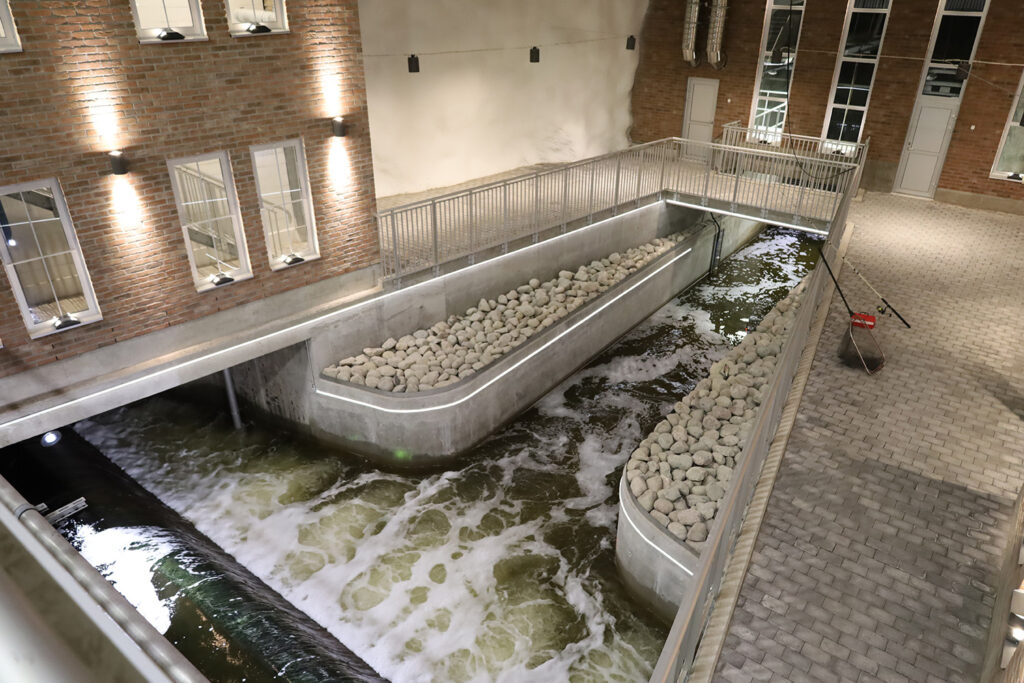
The new central wastewater treatment plant in the Tampere region integrates wastewater treatment and energy recovery.
The central wastewater treatment plant near Tampere is a modern, rock-built facility where the wastewater from Tampere and the municipalities of Kangasala, Lempäälä, Pirkkala, Vesilahti, and Ylöjärvi is treated. At the plant, nutrients and other impurities are removed from the wastewater using mechanical, biological, and chemical treatment processes before the water is discharged back into natural water bodies.
Commissioned in 2025, the central treatment plant replaced the area’s previous facilities and consolidated wastewater treatment into a single modern system. This solution improves treatment efficiency, supports the needs of a growing population, and promotes good water quality well into the future.
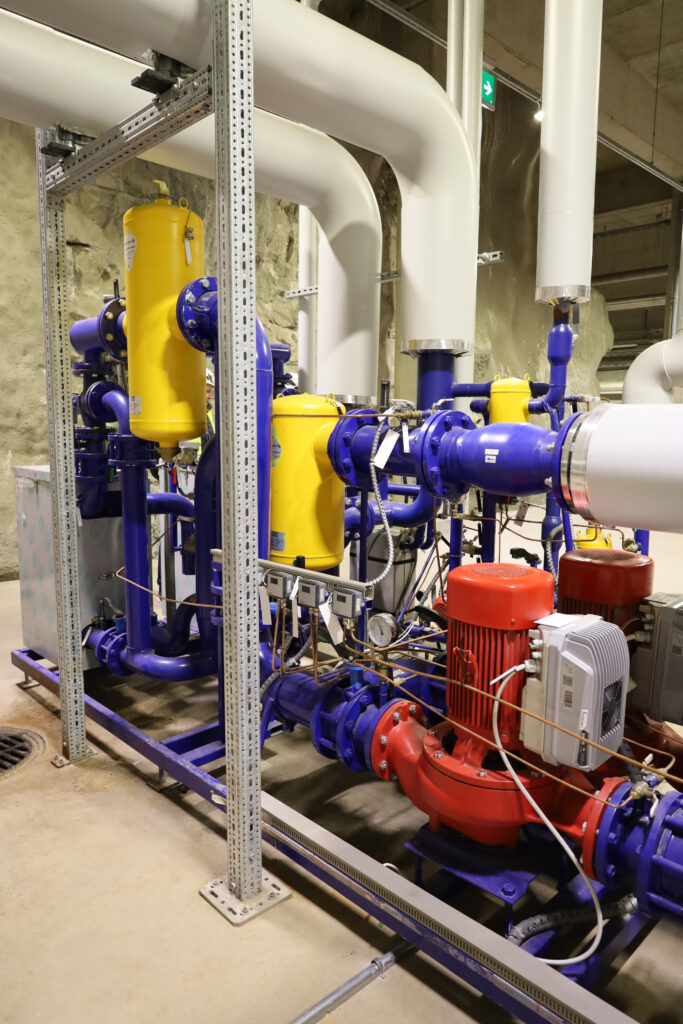
The facility’s extensive building services systems include multiple heating, ventilation, and heat recovery networks as well as district heating substations, where large flow rates and varying load conditions are managed. The systems utilize both district heating and waste heat from processes, such as heat recovery from aeration compressors.
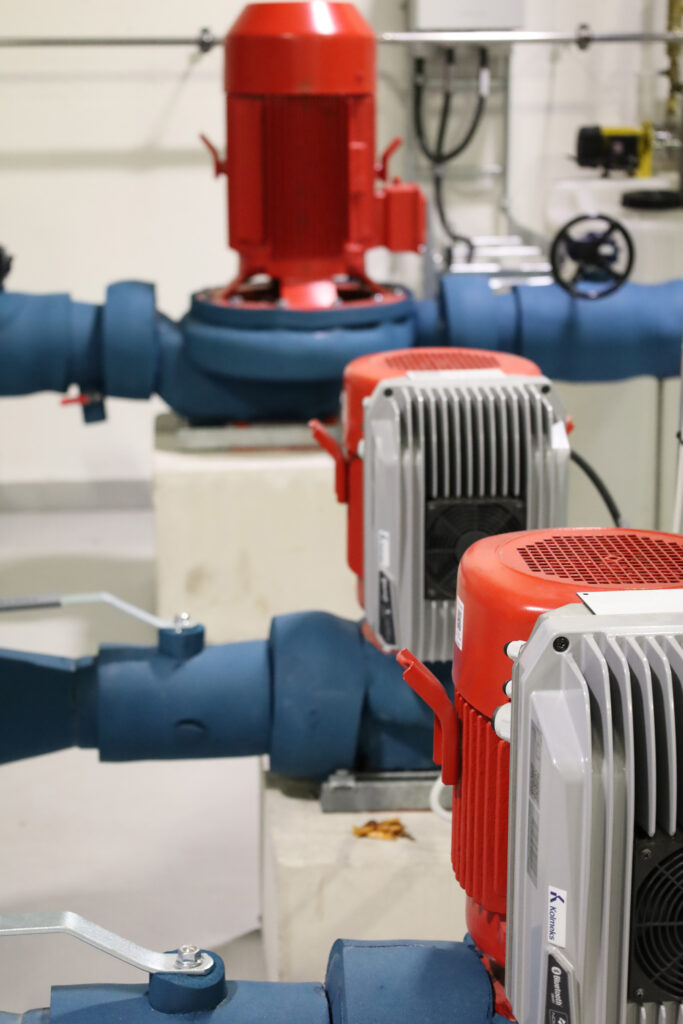
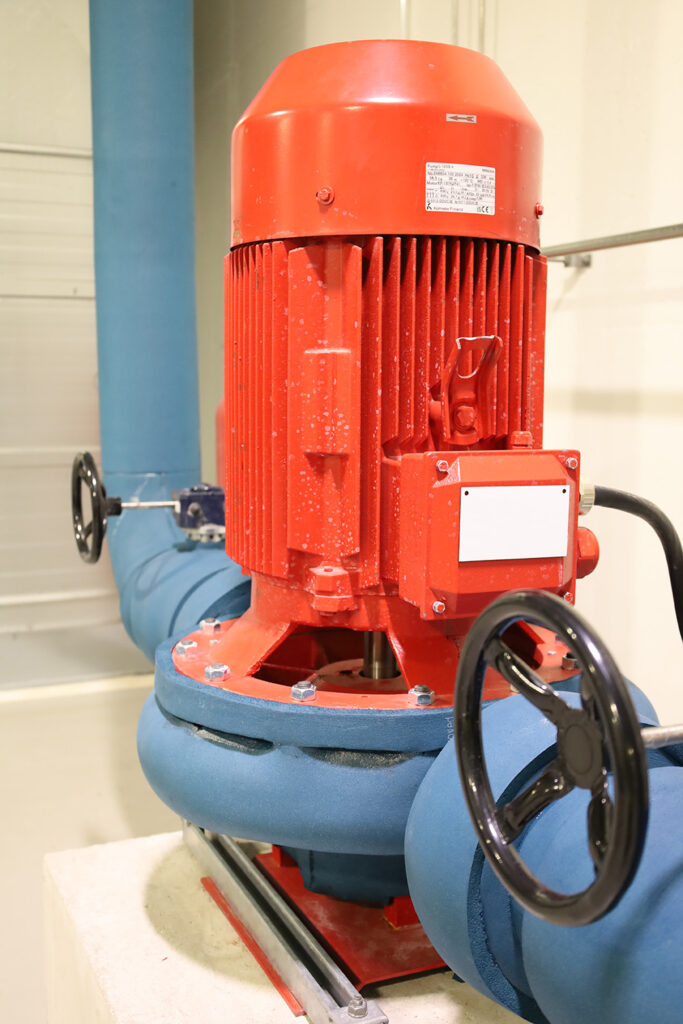
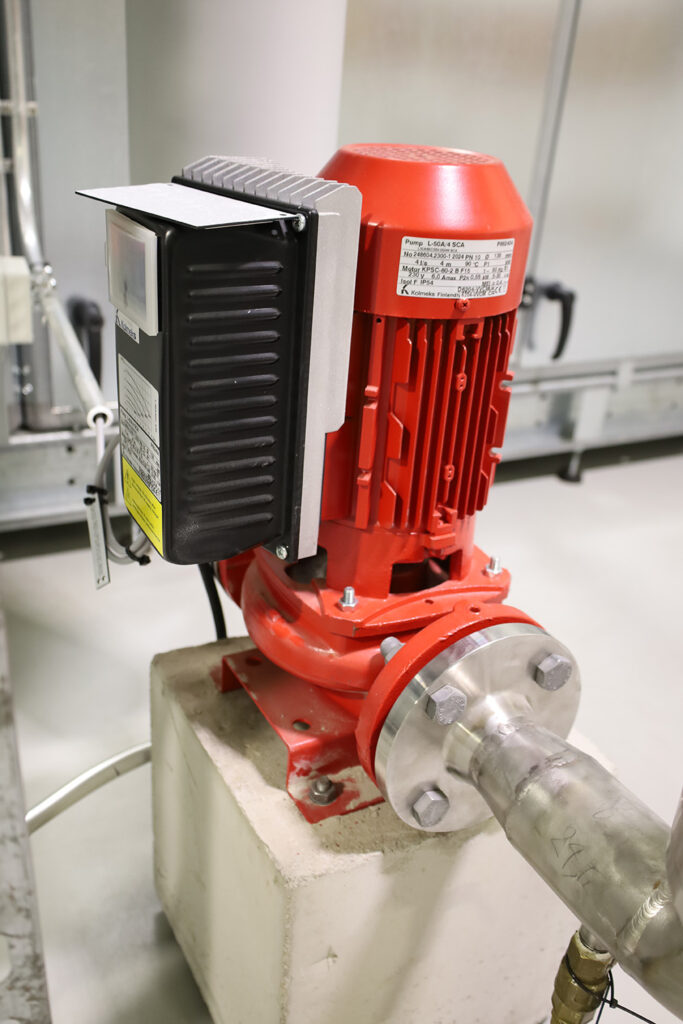
Kolmeks pump solutions support the plant’s energy efficiency and operational reliability
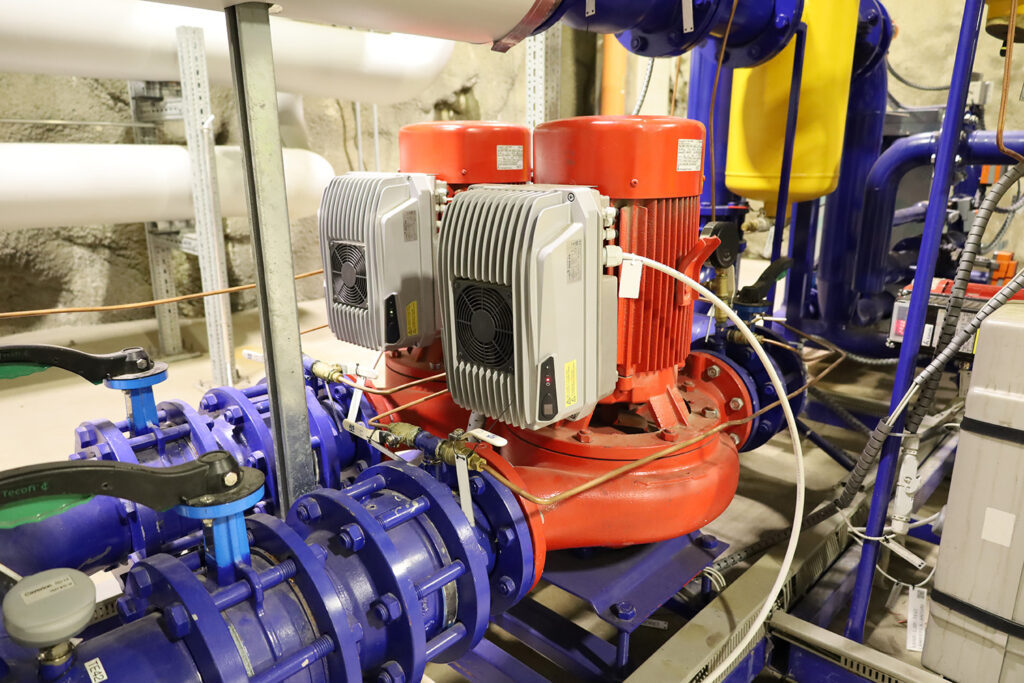
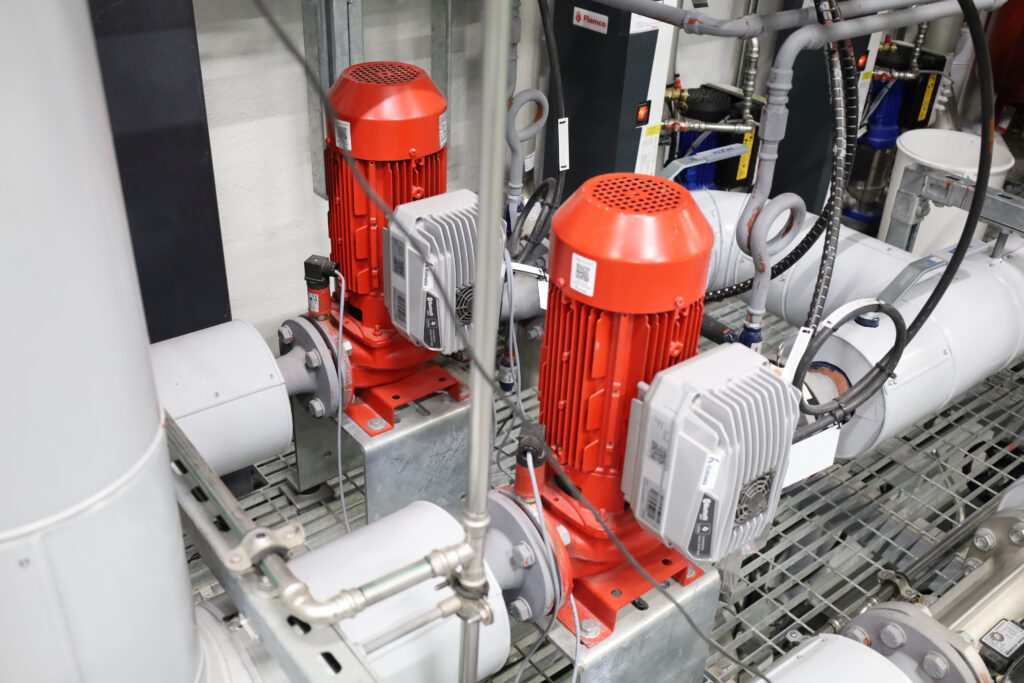
Kolmeks pump solutions play a key role in the plant’s various systems. A comprehensive package of nearly 50 Kolmeks pumps has been delivered to the site, used across multiple networks and applications.
The pumps are widely used in building services systems, including ventilation heating, heat recovery, domestic hot water systems, frost protection and underfloor heating networks, as well as in treated wastewater circuits. The variety of networks and operating conditions requires reliable and energy-efficient pumping technology that supports continuous and uninterrupted operation of the facility.
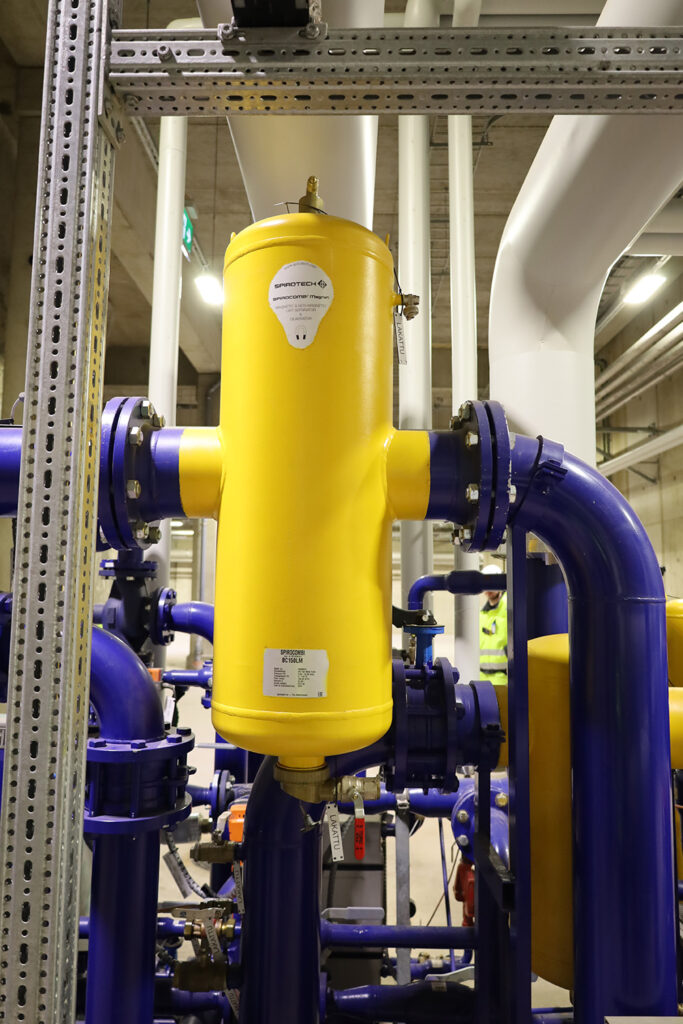
System reliability and energy efficiency are further supported by Spirotech air and dirt separation solutions, such as SpiroTrap Magnet and SpiroCombi Magnet units. These are used especially in district heating substations and heating networks, where they protect systems from harmful microbubbles and impurities, reduce maintenance needs, and thereby ensure long-lasting and trouble-free system operation.