
Combined deaerators/
dirt separators
Air and Dirt Separation – Essential for Efficient HVAC Systems
Air and dirt separation are critical factors in ensuring the performance, energy efficiency, and longevity of modern heating and cooling (HVAC) systems. In closed systems, dissolved air and accumulated contaminants continuously create challenges if not effectively removed.
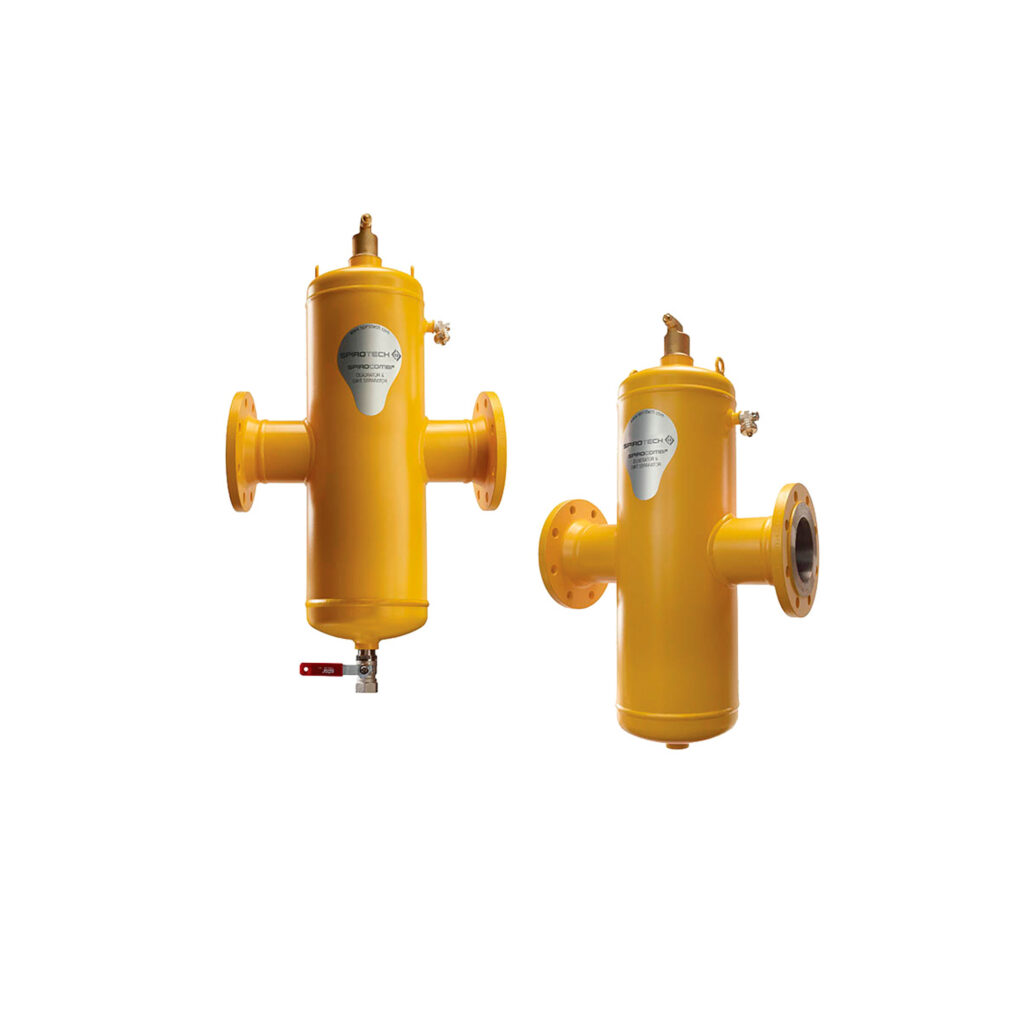
SpiroCombi
Complete Protection for HVAC Systems SpiroCombi is a comprehensive solution designed to improve HVAC system efficiency, extend equipment lifespan, and reduce maintenance needs. It combines two critical functions into one unit: air separation and dirt removal. The unit effectively removes both microbubbles and contaminants such as dirt, sand, and magnetite from closed heating and cooling […]

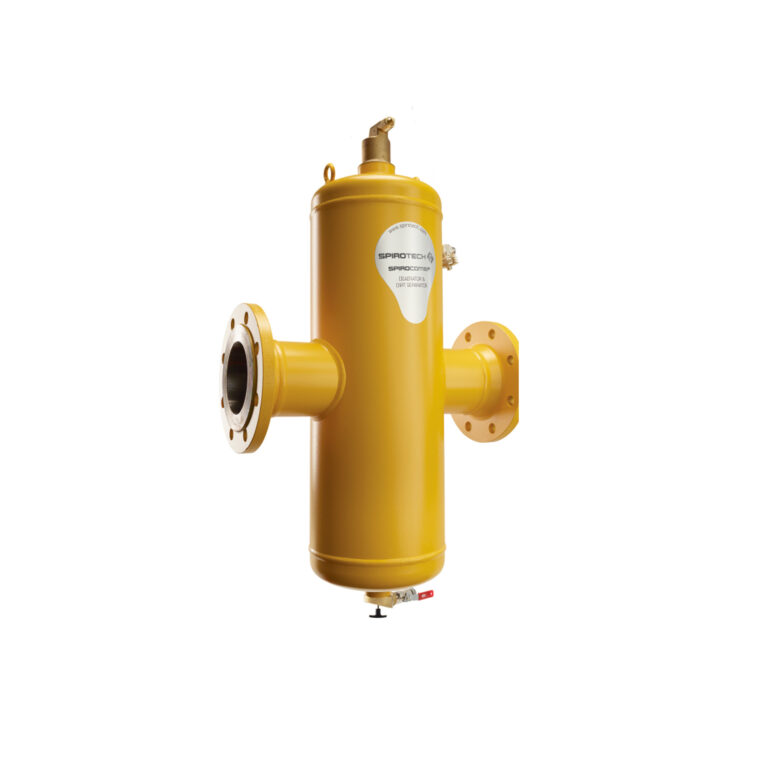
Spirocombi, magnet
Triple-Effect Separation Technology for Closed Systems SpiroCombi Magnet represents the highest level of flow-based separation technology. It is a fully automatic combination unit designed for closed heating and cooling systems, removing microbubbles, dirt, and magnetic magnetite within a single device body. Modern energy-efficient HVAC systems, especially those with electronically controlled circulation pumps, require exceptionally clean […]
Why Are Air and Dirt a Problem?
Whenever a system is filled or refilled, oxygen and other gases are introduced into the water. Over time, impurities such as corrosion products and installation debris also accumulate.
Problems Caused by Air
- Corrosion: Oxygen reacts with metal surfaces, leading to rust formation.
- Noise: Air circulation creates gurgling and flow noise in pipes.
- Reduced heat transfer: Air pockets prevent effective heat distribution in radiators and underfloor heating.
- Circulation issues: Large air locks can block flow completely.
Problems Caused by Dirt
- Component wear: Abrasive particles damage pumps and valves.
- Blockages: Dirt accumulates in narrow components, reducing flow.
- Efficiency loss: Magnetite deposits act as insulation on heat transfer surfaces.
System Benefits
- Lower energy consumption: Clean, air-free systems operate more efficiently.
- Longer service life: Components are protected from corrosion and wear.
- Reduced maintenance: No need for frequent manual venting or system shutdowns.
- Improved comfort: Stable temperatures and quiet operation.
How Air and Dirt Separation Works
1. Microbubble Air Removal
Modern air separators remove microscopic bubbles from the flow. Inside the separator, flow velocity is reduced, allowing bubbles to collide, grow, and rise to the top where they are automatically vented.
2. Dirt Separation and Magnetic Filtration
Dirt separators slow down the flow, allowing heavier particles to settle at the bottom. Integrated magnets capture fine magnetite particles more effectively than traditional strainers.