
Safety valves
The most important safety belt of your system
A safety valve is the last line of defense in a process. Its role is critical: to protect equipment, pipelines, and above all people from uncontrolled overpressure. When the pressure exceeds the set value, the safety valve opens immediately and releases excess medium, preventing serious damage and accidents.
From our selection, you will find high-quality safety valves for water, steam, and gas.
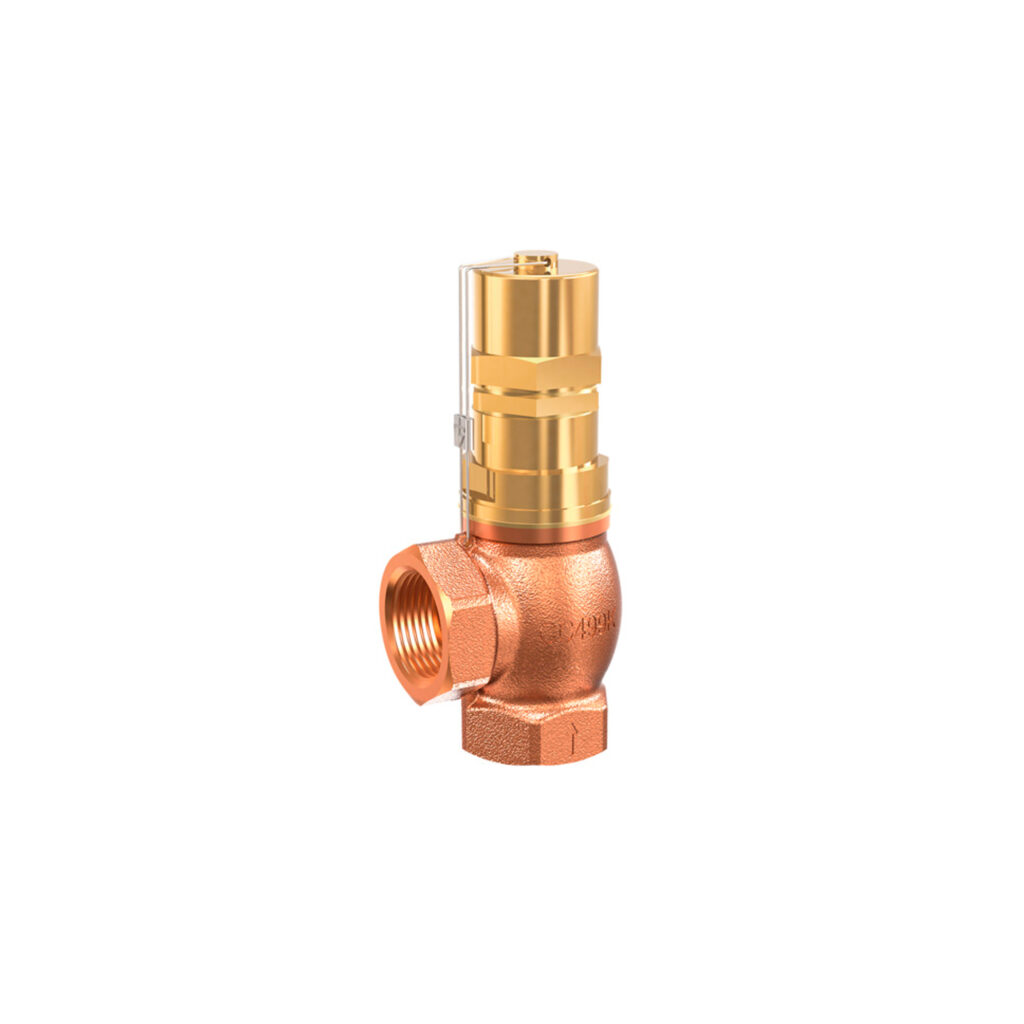
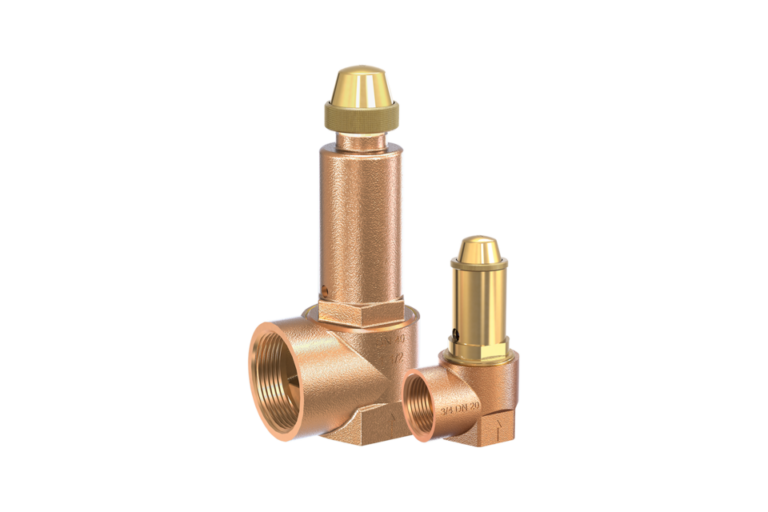
Goetze Safety Valves
Wide Range of Materials Goetze manufactures valves for almost all operating conditions. The material selection depends on the medium and environmental requirements: Brass and gunmetal: The most common choices for water, air, and neutral gases. Stainless steel (1.4404 / 316L): Used for aggressive chemicals, as well as in the food and pharmaceutical industries. Ductile iron […]

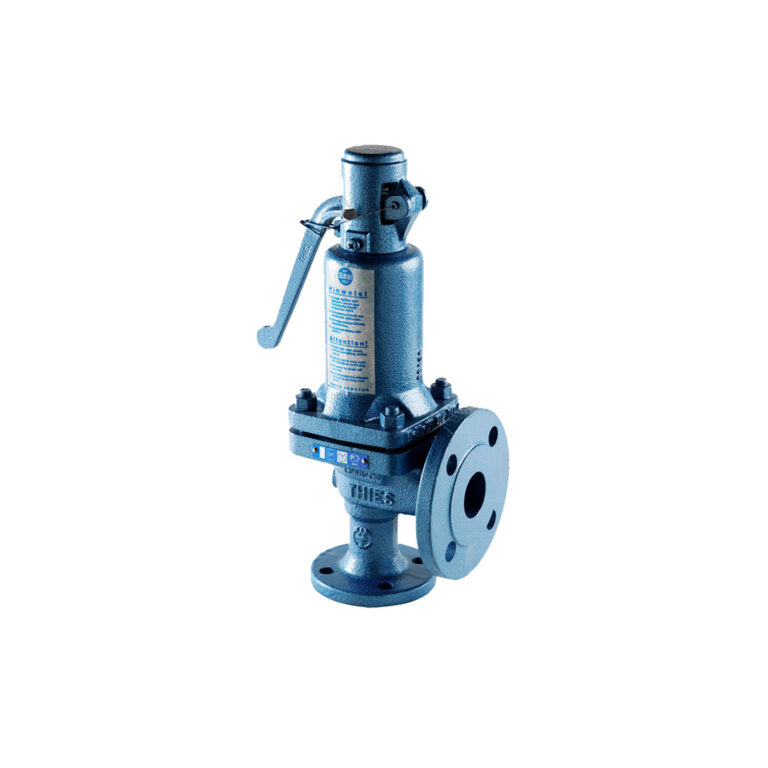
Thies Safety Valves
Specialization and Quality Thies has positioned itself as a manufacturer whose products are often used where standard, off-the-shelf solutions are not sufficient. Their production philosophy emphasizes: German engineering quality: Valves are manufactured according to strict quality requirements (DIN/EN standards). Flexibility: The company is often able to supply special materials or non-standard connections, even in smaller […]
Why choose our safety valves?
- Certified Safety: All our valves meet the strictest standards (such as PED and ASME) and have been tested under demanding conditions.
- Precise Adjustability: We supply valves factory-set to the desired opening pressure according to your requirements.
- Durable Materials: We offer a wide range of materials, from brass and cast iron to acid-resistant stainless steel, ensuring durability even with corrosive media.
- Long Service Life: High-quality finishing and sealing materials ensure that the valve remains tight even after numerous opening cycles.
Applications:
Safety valves are widely used across various industries and building services:
- Heating and Power Plants: Protection of boilers and steam systems.
- Compressed Air Systems: Overpressure protection for compressors and tanks.
- Process Industry: Safe handling of chemicals and gases.
- HVAC Systems: Protection of hot water tanks and closed circuits.
Tip
Remember that a safety valve is a legally required safety device. Its condition must be checked regularly through testing to ensure proper operation in real-life situations.
How can we help?
Do you need help determining the correct size or opening pressure? Our experts will assist you in selecting the right model for your system.