
Pressure reducing valves
Controlled Force and Savings
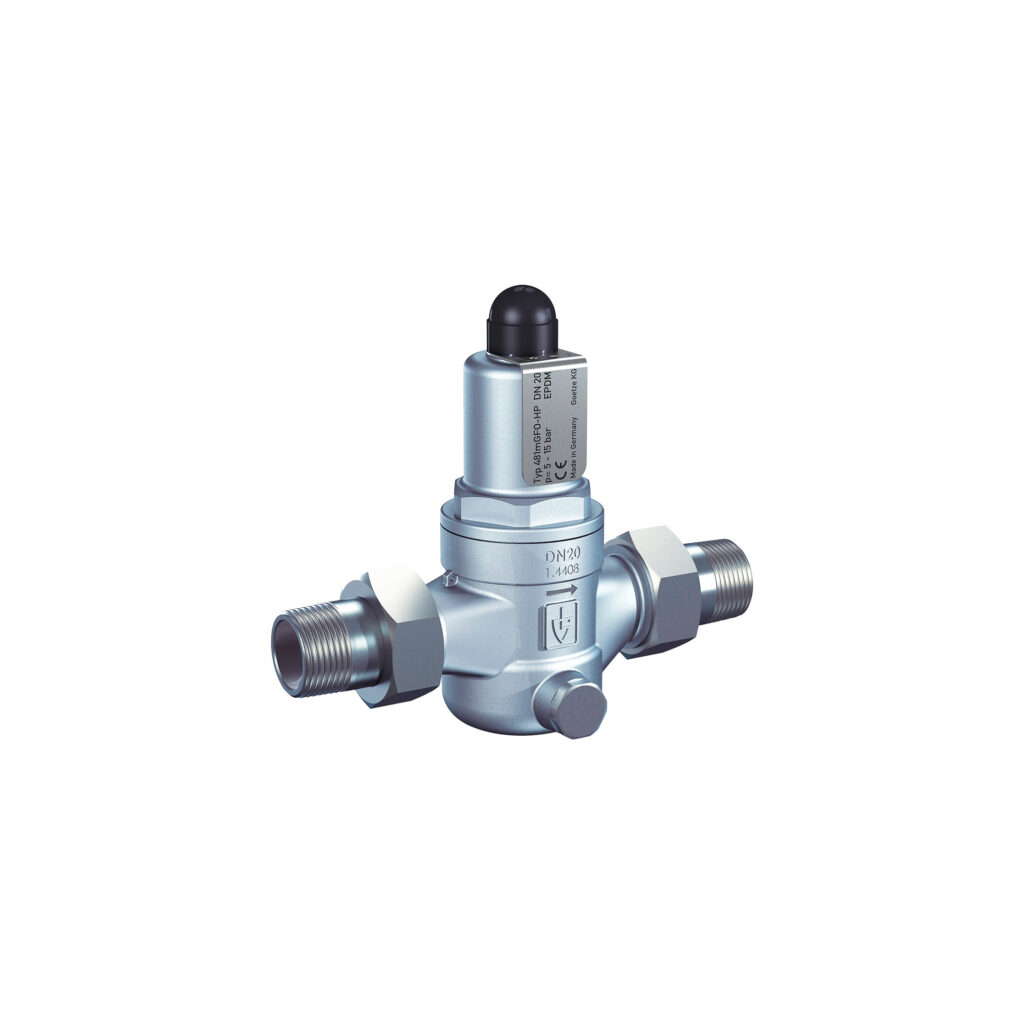
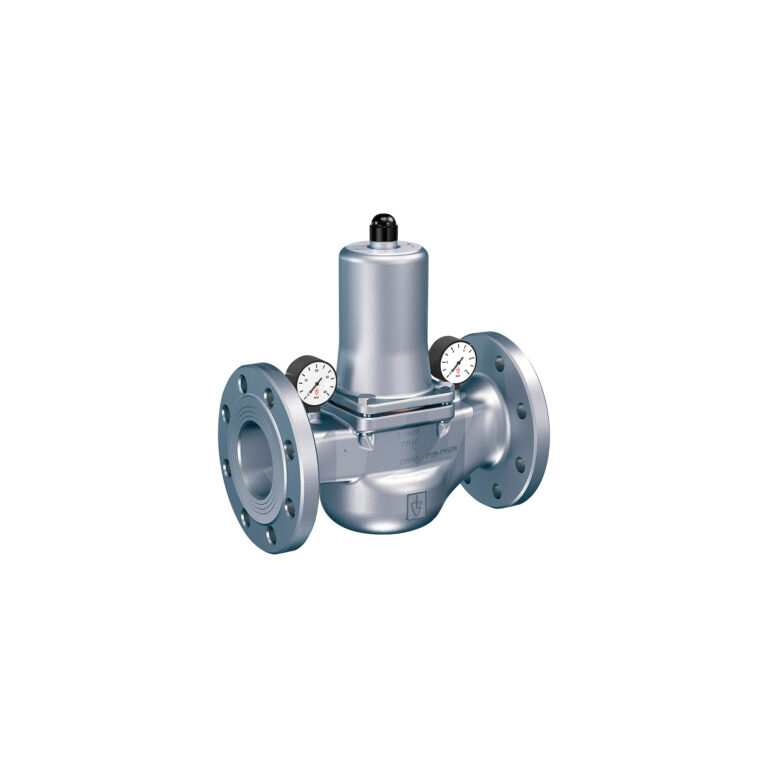
A pressure reducing valve plays a key role when you want to protect system components and optimize overall performance. Excessive or fluctuating inlet pressure wears down pipelines, damages appliances, and creates unnecessary noise. A pressure reducing valve maintains a constant secondary pressure at the desired level, regardless of pressure spikes in the system.
Correct pressure is not only a matter of comfort – it is an economical and sustainable choice.

How to select the correct size
Proper sizing is critical to ensure quiet and reliable operation. Pipe size alone does not tell the whole story. Consider the following factors:
1. Flow rate (Q): How many liters per minute or cubic meters per hour pass through the system at maximum load?
2. Pressure difference (Δp): What is the difference between inlet pressure and desired outlet pressure?
Example: inlet pressure (6 bar) – outlet pressure (3 bar) = Δp (3 bar)
3. Medium velocity: A valve that is too small causes noise and pressure losses, while an oversized valve may result in inaccurate control at low flow rates.
Installation and adjustment
To ensure optimal performance, consider the following:
– Installation location: Install the valve preferably immediately after the water meter or main shut-off valve. Leave straight pipe sections on both sides to stabilize flow.
– Filtration: We recommend installing a strainer upstream to prevent impurities from damaging the sensitive diaphragm or seat.ennen venttiiliä, jotta epäpuhtaudet eivät vahingoita venttiilin herkkää kalvoa tai istukkaa.
Adjustment procedure:
1. Ensure there is no flow in the system (all taps closed).
2. Loosen the adjustment spring (turn counterclockwise) until the pressure decreases.
3. Tighten the adjustment screw slowly (turn clockwise) until the pressure gauge shows the desired level (e.g., 3.5 bar).
4. Open a tap briefly and close it – verify that the pressure returns to the set value.
Benefits of pressure reduction in brief:
- Extends equipment lifespan: Protects taps, washing machines, and industrial process equipment from damaging pressure spikes.
- Reduces water consumption: Lower pressure means less wasted water during every use. Reducing pressure from 6 bar to 3 bar can save up to 15–20% in water consumption.
- Quieter system: Eliminates pipe noise and prevents banging caused by pressure shocks.
- Stable operation: Ensures consistent flow and pressure, which is critical in many technical processes.
Technical features and materials:
Our range includes valves for both residential buildings and heavy industry:
- Materials: Dezincification-resistant brass, stainless steel, or bronze depending on the application.
- Adjustability: Easy-to-read scales and precise adjustment mechanisms.
- Serviceability: Most models feature a replaceable valve seat, allowing fast maintenance without removing the entire valve.
- Integrated filters: Many models include a strainer that protects the valve mechanism from impurities.
Selecting the right valve with expert support
Incorrect sizing may lead to flow losses or premature wear. We are happy to assist with sizing calculations and technical questions.
Do you need help selecting the correct pressure reducing valve or would you like a quotation for a specific model? Contact our experts.